October 13,2026
admin
Amid the concept of healthy office, height-adjustable desks have become a must-have for people who sit for long hours. They not only allow switching between sitting and standing to relieve fatigue but also adapt to diverse office scenarios. Choosing the right one doesn’t require blind following; focusing on the three core dimensions of functions, sizes and budget will help you find a cost-effective option that fits your needs, balancing practicality and health.
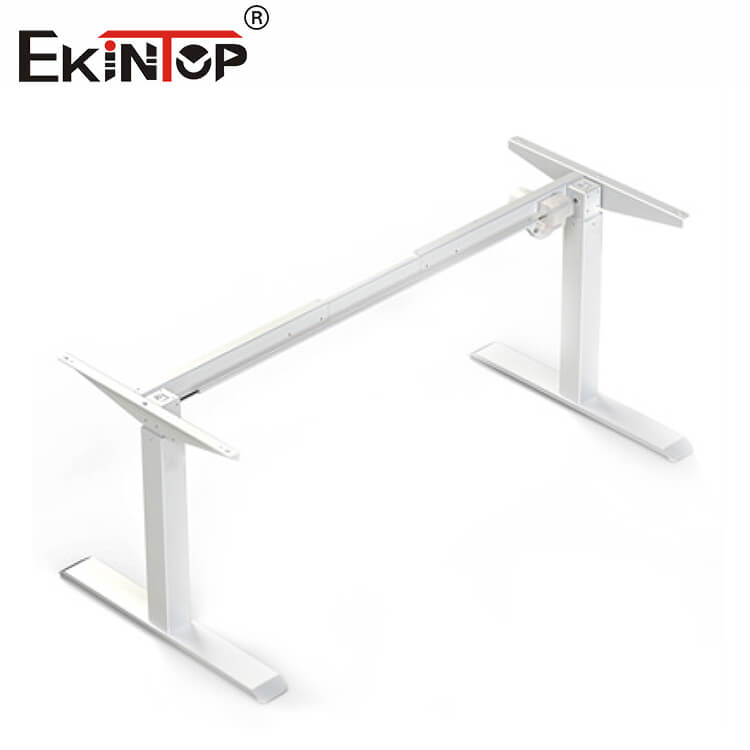
The value of a height-adjustable desk’s functions lies in precise adaptation rather than redundant configurations. The core is the lifting mode:
Manual models (hand-cranked/pneumatic) are cost-effective, easy to operate and low-noise during lifting, ideal for those on a tight budget or with low usage frequency.
Electric models lift smoothly and stably with an adjustment precision of up to 1cm; some come with memory presets for one-click switching between sitting and standing heights, suiting users who work long hours daily and serving as the mainstream preferred choice.
Choose additional functions on demand: hidden cable management slots keep the desktop tidy, and USB charging ports facilitate device power supply—these are practical bonuses. There’s no need to pay extra for redundant features like sedentary reminders or APP control.Meanwhile, focus on core performance: the lifting range should cover the optimal 72cm-110cm, lifting noise ≤50 decibels, and load capacity no less than 80kg to meet daily office needs.
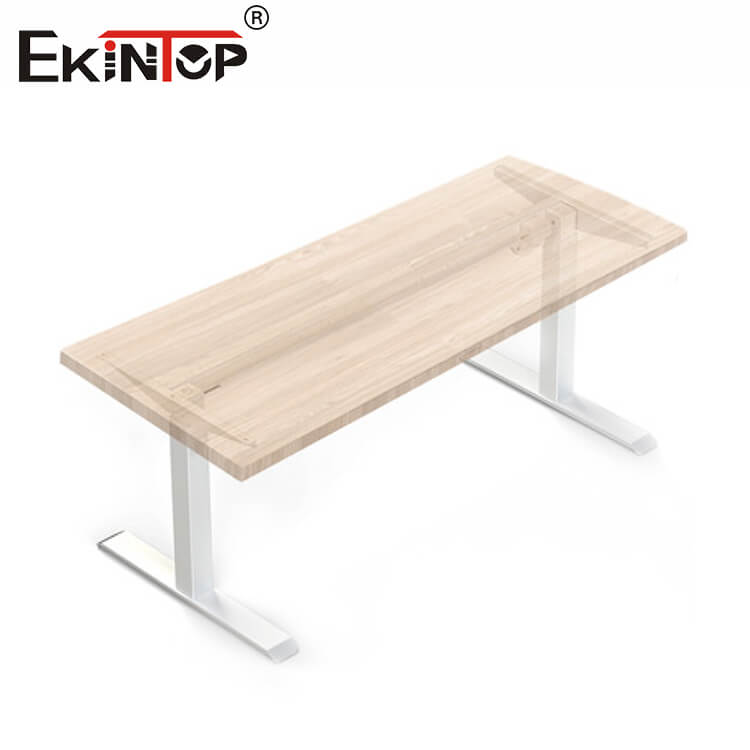
The size directly affects space utilization and comfort, so measure your office area accurately first.
For small spaces or home corners, prioritize compact sizes (100cm×60cm) that save space while meeting single-person office needs.
For regular home offices or individual workstations, 120cm×60cm is the optimal size, fitting dual monitors and document placement with ample movement space.
For multi-person collaboration or large workspace needs, opt for sizes 140cm×70cm and above that support splicing and combination.
Pay attention to detailed dimensions: tabletop thickness ≥25mm ensures stability; table leg spacing matches chair width to avoid obstruction when standing up; for corner offices, L-shaped height-adjustable desks are preferred to fully utilize corner space, balancing practicality and space efficiency.
Height-adjustable desks vary greatly in price, and choosing by budget is the most hassle-free way to balance quality and cost-effectiveness.
Under ¥1,000: Manual models with basic lifting functions, mostly made of E1-grade eco-friendly panels and stable steel frames, meeting daily basic office needs, suitable for students or temporary office scenarios.
¥1,000–¥3,000: The mainstream preferred range, mostly single-motor electric models with upgraded materials and complete functions, some with warranty services, ideal for home offices and procurement by small and medium-sized enterprises.
Above ¥3,000: High-end models, mostly dual-motor configured for faster and stabler lifting, paired with premium tabletops like solid wood and sintered stone, suiting users with high demands for quality and experience.
Remember to avoid low-price traps: prioritize reputable brands with clear warranties (1–3 years for motors) to avoid high later maintenance costs.
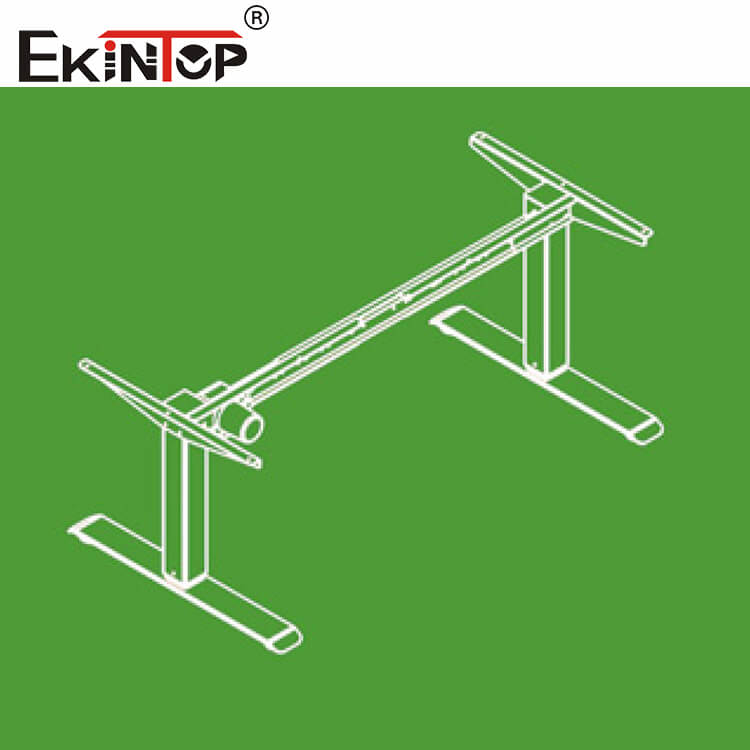
The core of choosing a height-adjustable desk is "needs-based matching". First confirm functions to meet usage demands, then select size to fit the space, and finally decide on the model based on budget. This way, you can get a durable height-adjustable desk that relieves fatigue from prolonged sitting, truly achieving healthy and efficient office work.Choose Ekintop Furniture, and we will provide you with the best products and services.